

For those who operate excavators, excavators often become an integral part of daily life. To keep your excavator running efficiently and extend its service life, proper maintenance is crucial. Regular upkeep ensures your excavator has the strength and reliability to tackle demanding tasks. Below is a comprehensive guide detailing eight key maintenance practices for excavators.

1. Daily Maintenance is a Must
Daily maintenance forms the foundation of an excavator’s longevity. Simple routine checks and adjustments can prevent major issues down the line. Here’s a daily maintenance checklist:
Inspect and adjust track tension.
Check the windshield washer fluid level.
Clean and inspect the air filter.
Adjust the air conditioning system.
Clean the cab floor.
Park the excavator on level ground when cleaning or replacing coolant.
Tighten track shoe bolts.
Clean the cooling system and check bucket clearance.
These daily checks may seem minor but play a vital role in the smooth operation of your excavator.

2. Pre-Start Engine Inspections
Before starting your excavator’s engine for the day’s work, conduct a thorough pre-check. Key tasks include:
Checking coolant levels and topping up if necessary.
Ensuring the air filter is not clogged.
Inspecting engine oil and hydraulic oil levels; add oil if required.
Checking fuel levels and refilling if needed.
Testing the horn and other signals.
Lubricating the bucket components.
Draining water and sediment from the fuel-water separator.
These steps ensure the machine is in peak condition before heavy operations begin.
3. Maintenance Every 100 Hours
Every 100 hours, specific components require inspection and lubrication. Key tasks include:
Lubricating the arm and boom pins.
Inspecting the boom cylinder head pin and stick cylinder rod end.
Checking the oil level in the swing mechanism box.
Adhering to this schedule helps maintain the machine’s critical joints and moving parts.

4. Maintenance Every 250 Hours
At the 250-hour mark, additional maintenance tasks come into play:
Check the oil level in the final drive gearbox and add gear oil if necessary.
Inspect the tension of the fan and air conditioner compressor belts.
Check the battery electrolyte levels.
Replace the engine oil and oil filter.
Regular attention to these components prevents wear and tear and ensures smooth operation.
5. Maintenance Every 500 Hours
At 500 hours, the maintenance requirements become more intensive. Tasks include:
Replacing the fuel filter.
Cleaning radiator fins and inspecting the cooling system.
Checking and replenishing swing pinion grease.
Replacing the hydraulic oil filter.
Changing the oil in the final drive gearbox (initially at 500 hours, then every 1,000 hours).
Cleaning both internal and external air filters of the air conditioning system.
Replacing the hydraulic oil breather filter.
Proper servicing at this interval ensures optimal performance for critical systems.
6. Maintenance Every 1,000 Hours
The 1,000-hour mark is a significant milestone in an excavator’s maintenance schedule. Key tasks include:
Checking the oil level in the vibration damper housing.
Replacing the oil in the swing mechanism box.
Inspecting and tightening all turbocharger fasteners.
Checking and adjusting the tension of the alternator belt.
Replacing anti-corrosion filters.
Changing the oil in the final drive gearbox.
These measures help maintain the excavator’s structural and functional integrity.
7. Maintenance Every 2,000 Hours
At 2,000 hours, deeper inspections and servicing are necessary. Tasks include:
Cleaning the hydraulic oil tank strainer.
Inspecting and testing the generator and starter motor.
Checking engine valve clearances.
Inspecting and cleaning the turbocharger.
Examining the vibration damper.
These procedures ensure the longevity of high-stress components.
8. Maintenance Beyond 4,000 Hours
Long-term maintenance plays a pivotal role in keeping your excavator operational for years. Key milestones include:
Inspecting the water pump every 4,000 hours.
Replacing hydraulic oil every 5,000 hours.
Each of these checks helps to mitigate wear and extend the excavator’s lifespan.
Conclusion
Maintenance is critical for preventing breakdowns and ensuring optimal performance. Regular servicing and inspections significantly reduce the likelihood of failures, extending the life of your excavator. However, maintenance schedules and tasks may vary depending on the model and operating conditions of your machine.
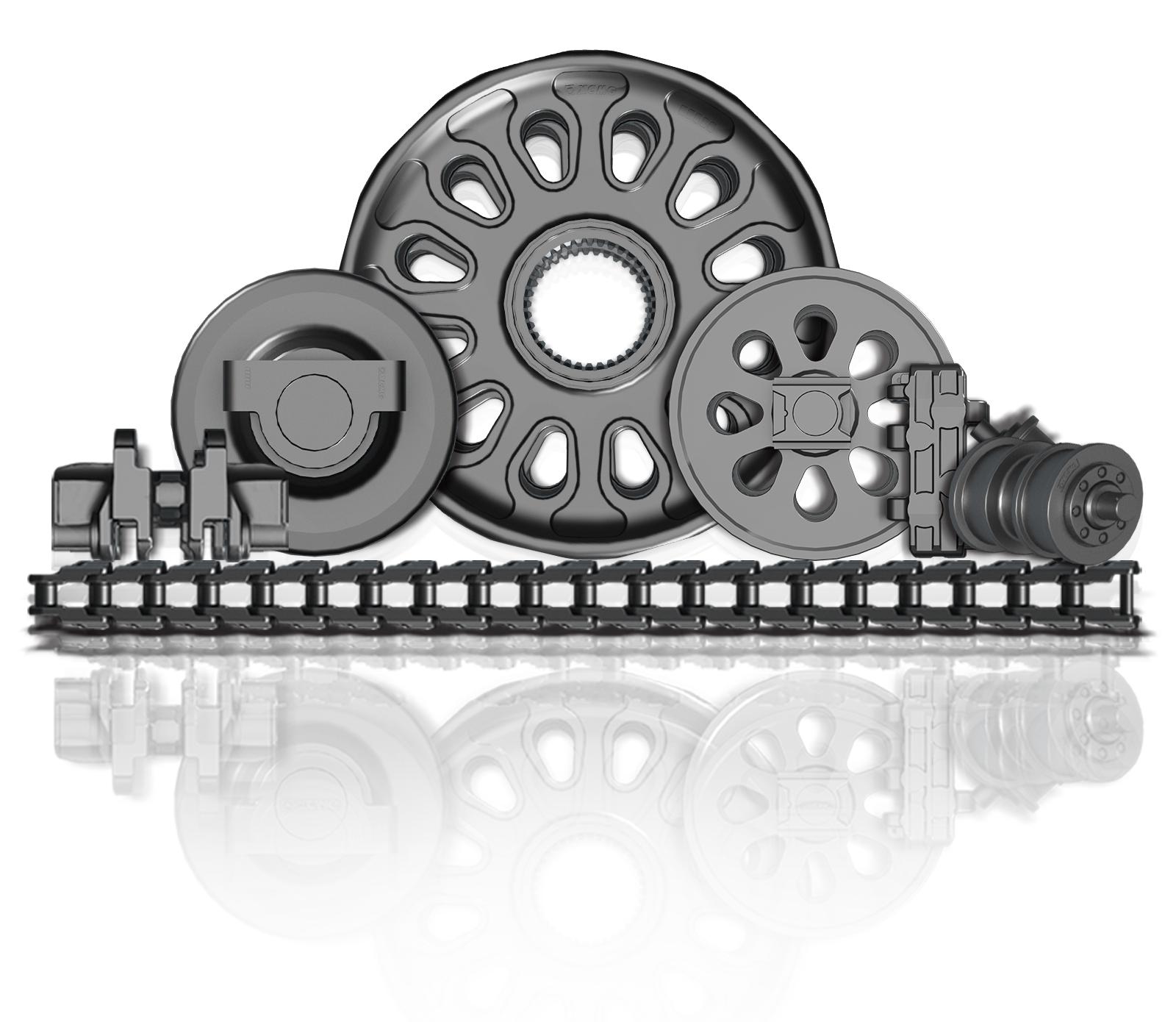
Origin Machinery has been a trusted manufacturer of excavator & loader attachments, and undercarriage parts for the construction, quarrying, mining, recycling, and demolition industries since 2004. Initially, we specialized in producing excavator buckets for leading excavator manufacturers in China. As demand from international customers grew, we expanded our capabilities to offer OEM and ODM manufacturing services globally, delivering customized solutions to meet diverse industry needs.
Any needs, please contact sales@originmachinery.com
