

Hydraulic cylinder leaks are typically classified into two categories: internal and external leaks. External leaks are easier to identify through visual inspection, while internal leaks are more difficult to diagnose, as the leaking areas are not directly observable.

Internal Leaks
Internal leaks are commonly caused by the deformation, aging, wear, or damage of the main oil seal. Under prolonged conditions of high temperature, high pressure, and high-speed operation, oil seals tend to deform and degrade. Even the best seals are susceptible to deformation under these circumstances. For example, Y-type oil seals can lose their sealing lip tension when deformed, leading to oil leakage.
Another factor contributing to internal leakage is the accumulation of dirt and contaminants on the piston rod. The dust seal is designed to prevent contaminants from entering the hydraulic cylinder, thus protecting both the cylinder and the seals. When the dust seal is damaged, dust and debris can directly enter the cylinder, causing wear on the seals and the cylinder itself. If dust levels are high, the seals may wear out in as little as a few dozen hours.
Cylinder blackening, scoring on the internal walls, and wear of the wear rings are also common signs of internal leakage. These issues can arise from the failure to replace worn-out wear rings, which are crucial for reducing side loads and preventing cylinder wear. In such cases, it is recommended to replace the wear rings with those made from nylon reinforced with fiberglass, as this material exhibits excellent wear resistance, anti-scoring properties, and metal debris containment capabilities.

External Leaks
External leaks can be caused by several factors:
· Cracks in the oil line connections to the cylinder.
· Defects in the cylinder body or end caps.
· Overpressure situations exceeding the cylinder’s designed capacity.
· Deterioration of hydraulic oil, which can cause elevated temperatures and accelerate seal aging.
· Scoring or pitting on the piston rod.
· Damage to the seals on the piston rod extension, typically caused by scoring or aging.
· Wear of seals between the piston rod and the cylinder sleeve, often due to improper assembly, over-tightening of end caps, or poor design choices made by some manufacturers to reduce costs.
Consequences of Hydraulic Cylinder Leaks
Oil leaks from hydraulic cylinders can lead to various severe consequences for the machine and its operation. In particular, the engine may experience issues such as lubrication oil or diesel fuel leaks. Insufficient lubrication can lead to abnormal wear of engine components and eventual engine failure, resulting in significant repair costs and downtime. Fuel leaks not only increase operational costs by wasting fuel but also raise the risk of fire hazards. Therefore, it is critical to regularly monitor oil and fuel levels to prevent these issues.
Best Practices for Hydraulic Cylinder Maintenance
To ensure the long-term performance and reliability of hydraulic cylinders, the following maintenance practices should be observed:
Protect the Piston Rod: Avoid bumps and scratches to prevent damage to the seals. Many modern excavator cylinders come with protective covers, but extra care should always be taken to prevent external damage.
Inspect Connective Components Regularly: Periodically check for loose bolts, nuts, and other connections, and tighten them immediately if any are found to be loose.
Perform Full Stroke Cycles: Before starting work, perform 3-5 full extension and retraction cycles of the hydraulic cylinder to purge any air from the system and ensure the proper functioning of all components. This helps avoid air or water accumulation, which could cause damaging pressure surges within the cylinder.
Regular Oil and Filter Maintenance: Change the hydraulic oil at regular intervals and clean the system's filters to maintain the cleanliness of the oil. This is critical for prolonging the lifespan of the hydraulic cylinder.
Lubricate Connection Points: Regularly lubricate all moving parts to prevent rust and abnormal wear. Pay special attention to areas showing signs of corrosion, as rust can lead to cylinder damage and leaks.
Monitor Cylinder Position: After each use, ensure that the arm and bucket are positioned so that the hydraulic oil flows back into the reservoir, preventing unnecessary pressure on the cylinder seals. Continuous pressure on one side of the cylinder can cause premature seal failure.
Control System Temperature: Keep the system temperature within recommended limits. Excessive temperatures can degrade seal materials, leading to premature failure and possible system malfunction.
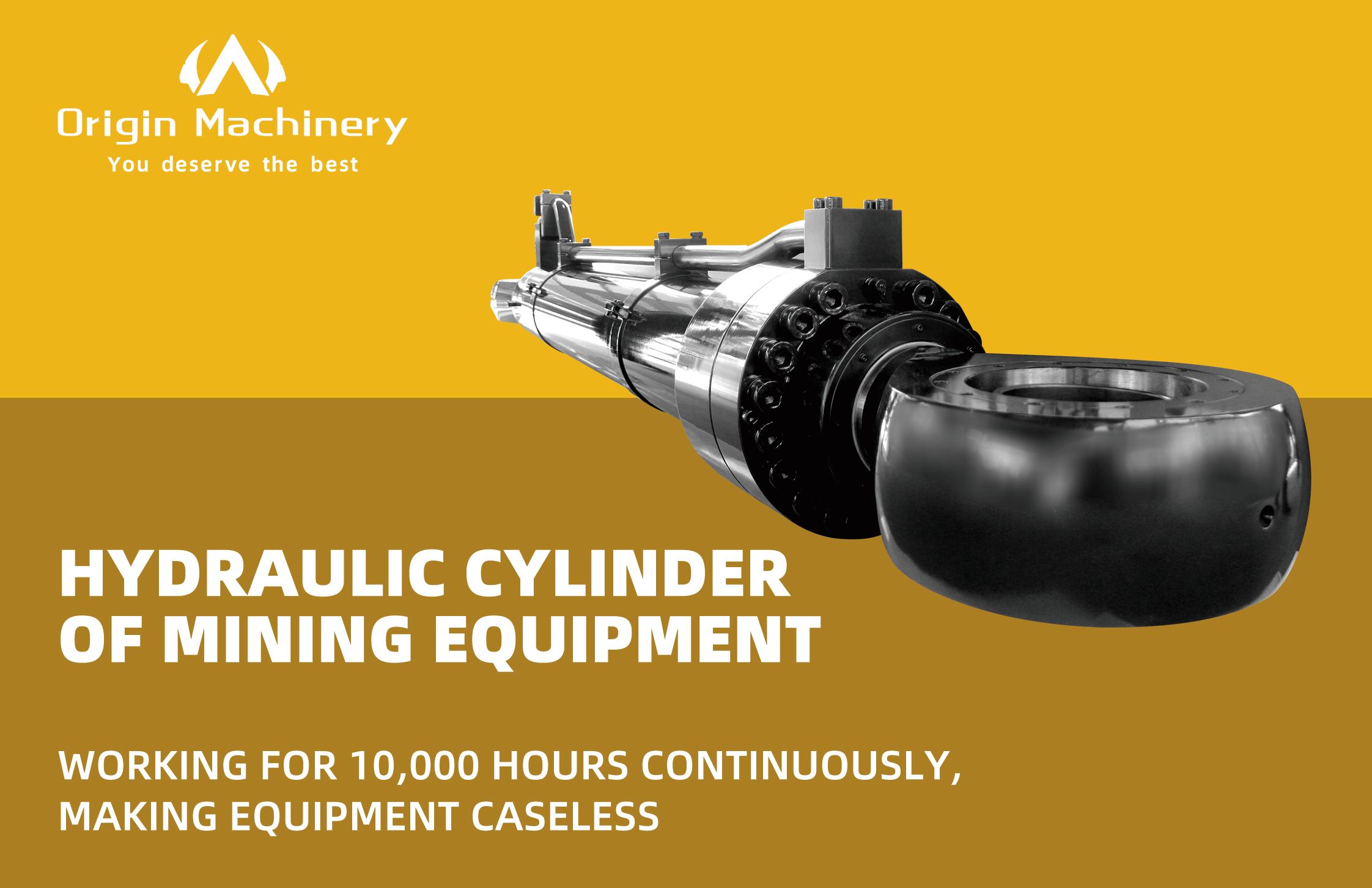
Origin Machinery provides hydraulic cylinders for mining machinery, including excavators, dump trucks, loaders, bulldozers and graders. Our advance production line handles cylinders with diameters up to 800mm, rod diameters up to 600mm, and strokes up to 600mm, with an annual output of 2,000 units.
EMAIL: sales@originmachinery.com
